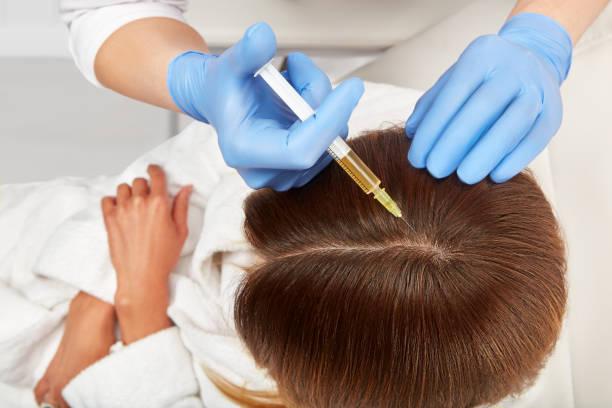
Hair loss can affect confidence, appearance, and overall well-being, making people in Riyadh increasingly interested in effective hair restoration options. Among the available treatments, PRP Hair Treatment in Riyadh has gained attention as a minimally invasive approach that uses the patient’s own platelet-rich plasma to support healthier hair growth. Understanding how PRP compares with other solutions can help individuals choose an option that matches their hair concerns and treatment goals.
When researching hair restoration, many people also look into prp hair treatment cost in saudi arabia while comparing different procedures. However, cost should not be the only consideration. Factors such as the cause of hair loss, treatment suitability, expected results, recovery requirements, and the overall approach to care are important when deciding between PRP, medications, hair transplants, and other regenerative treatments.
Understanding PRP Hair Treatment
PRP therapy is designed to support the natural hair-growth cycle. During the procedure, a small amount of the patient’s blood is processed to concentrate platelets and growth factors. The prepared plasma is then carefully introduced into areas of the scalp where hair appears thinner.
How PRP Supports Hair Growth
Platelets contain biological components that may support tissue repair and cellular activity. When delivered to targeted scalp areas, PRP may help create a healthier environment for existing hair follicles. It is generally considered more suitable for people with thinning or weakened hair follicles rather than areas where follicles are completely absent.
PRP Compared With Hair Loss Medications
Medications are another commonly considered approach to managing hair loss. Certain prescription and topical treatments are designed to slow hair loss or encourage hair growth by influencing biological pathways involved in the hair cycle.
Choosing Between PRP and Medication
PRP differs from medication because it is a procedure that uses the patient’s own concentrated plasma rather than relying on a topical or oral drug. The right choice depends on the cause and pattern of hair loss, medical history, and professional assessment. In some cases, a personalized treatment plan may incorporate different approaches rather than relying on one solution alone.
PRP Compared With Hair Transplantation
Hair transplantation is a surgical method that relocates hair follicles from a donor area to regions affected by permanent hair loss. Unlike PRP, a transplant physically moves follicles to create new hair coverage in selected areas.
When the Approaches Differ
PRP is generally considered a non-surgical regenerative option intended to support existing follicles, while transplantation focuses on restoring coverage by transferring follicles. Individuals with significant follicular loss may require a different strategy from someone experiencing early-stage thinning. A professional evaluation can help determine which approach is more appropriate.
PRP Compared With Other Regenerative Treatments
Other regenerative hair treatments may use different biological substances or techniques to address scalp and follicle health. Although these options may share similar goals, their mechanisms, protocols, and suitability can vary.
Why Individual Assessment Matters
Hair loss can result from genetics, hormonal changes, nutritional deficiencies, stress, aging, or scalp conditions. Because the underlying cause influences treatment selection, comparing procedures without considering individual circumstances may lead to unrealistic expectations. A personalized assessment is therefore an important part of choosing a suitable hair restoration approach.
What Makes PRP an Appealing Option?
One reason people consider PRP is that it is minimally invasive and uses the patient’s own biological material. The treatment does not involve surgical follicle transplantation, and the procedure can generally be incorporated into a broader hair-care strategy when clinically appropriate.
Setting Realistic Expectations
PRP is not an instant solution for hair loss. Results can vary depending on the individual, the condition of the follicles, the underlying cause of thinning, and adherence to the recommended treatment plan. Consistency and appropriate follow-up are important when evaluating progress.
Frequently Asked Questions
Is PRP suitable for every type of hair loss?
No. PRP may be more appropriate for certain forms of hair thinning where viable follicles remain. A professional assessment is needed to determine whether it is suitable for a particular type of hair loss.
How is PRP different from a hair transplant?
PRP aims to support existing hair follicles through concentrated plasma, while a hair transplant surgically moves follicles from one area of the scalp to another to improve hair coverage.
Can PRP be combined with other hair loss treatments?
In some cases, PRP may be incorporated into a broader treatment plan. The appropriate combination depends on the cause of hair loss and the individual’s scalp and hair condition.
How long does it take to notice PRP results?
Hair growth occurs gradually, so noticeable changes generally require time. Individual results vary, and multiple treatment sessions may be recommended depending on the treatment plan.
Is PRP a permanent solution for hair loss?
PRP should not be considered a guaranteed permanent solution. Its effectiveness and longevity can vary, making professional evaluation and appropriate follow-up important.
Consultation at Enfield Royal Clinic
Enfield Royal Clinic provides an opportunity to explore suitable hair restoration options based on individual concerns and treatment goals. A professional consultation can help assess the pattern and possible causes of hair loss and determine whether PRP or another approach may be appropriate. Discussing your expectations and concerns during consultation can support a more personalized approach to hair restoration.

 English
 Arabic
 French
 Portuguese
 Deutsch
 Turkish
 Dutch
Dutch
 Italiano
 Russian
 Romaian
 Portuguese (Brazil)
 Greek
Greek