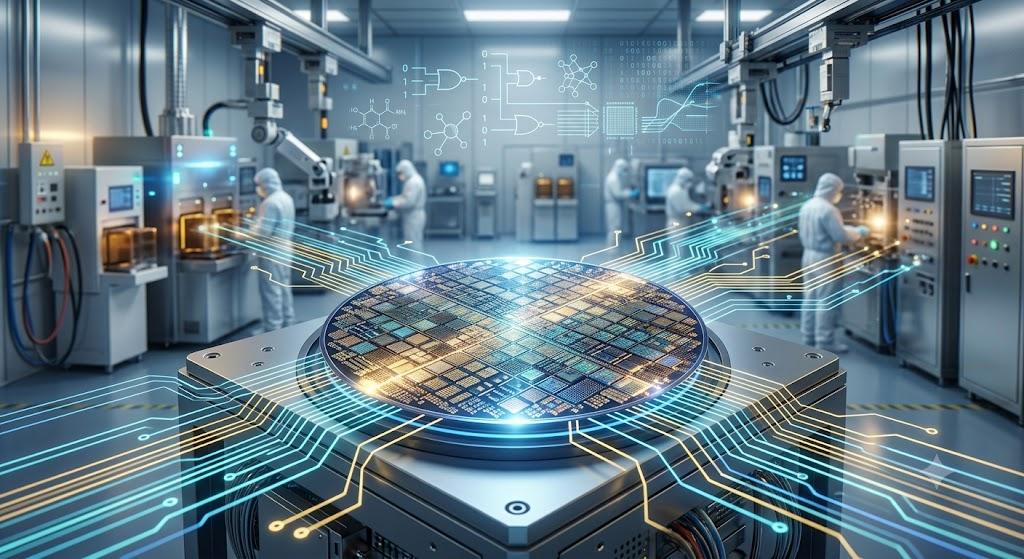
The continuous push toward real-time telemetry processing across advanced computing networks is driving a major expansion in FRAM Market Growth. Enterprise network providers are systematically upgrading their historical infrastructure components to accommodate the massive data streams generated by cloud computing installations and edge nodes. This transition requires high-performance non-volatile memory components that can process streaming transactional logs instantly without introducing systemic processing delays. By deploying advanced ferroelectric memory architectures, data centers can achieve substantial improvements in processing efficiency while lowering the energy costs required to maintain traditional volatile data structures.
Smart energy grid infrastructures are also contributing significantly to this technical momentum, as utility companies deploy automated smart meters to manage power distribution dynamically. These monitoring instruments record continuous consumption metrics and must secure this financial data instantly to prevent loss during localized storm outages or regional grid disruptions. The exceptional write endurance of ferroelectric memory ensures that these field devices can log data continuously for decades without needing component replacements. This long-term reliability lowers field maintenance expenses for public utility networks, driving sustained investment in high-performance memory chips globally.
Geographic expansion remains highly visible across major industrial hubs in North America and the Asia-Pacific region, where major investments in smart manufacturing are driving component demand. Local government initiatives aimed at upgrading public transit networks and communication infrastructure frequently depend on these resilient memory components to manage distributed control arrays. This steady inflow of public and private funding creates a highly supportive environment for semiconductor fabrication facilities looking to expand their specialty memory output. Consequently, component suppliers are expanding their regional delivery pipelines to serve a broader variety of industrial equipment manufacturers.
Future expansion relies heavily on optimizing memory performance within multi-chip storage architectures designed for dense space applications and satellite arrays. Overcoming traditional density limitations allows engineers to deploy highly resilient storage setups in space-constrained communication payloads where cosmic radiation risks are high. This continuous engineering focus ensures that high-speed, non-volatile ferroelectric solutions will remain a core component of future industrial data preservation and edge-computing configurations.
Top Trending Reports :
cognitive behavior analysis tools
enterprise data backup systems
deduplication storage appliances
disaster recovery hardware solutions

 English
 Arabic
 Spanish
 Portuguese
 Deutsch
 Turkish
 Dutch
Dutch
 Italiano
 Russian
 Romaian
 Portuguese (Brazil)
 Greek
Greek