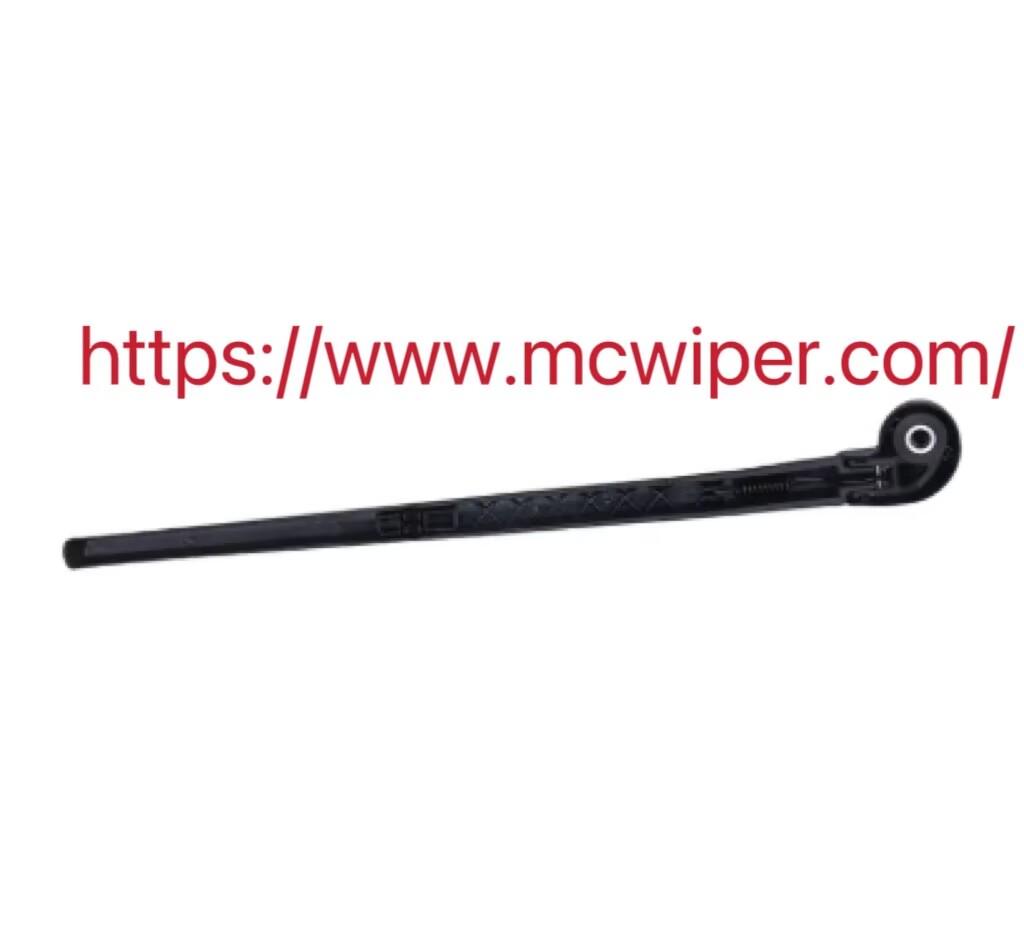
Rear Wiper selection should begin with the vehicle model, required dimensions, mounting structure, and intended operating environment. For automotive parts distributors, repair businesses, and wholesale buyers, these details provide a useful starting point when comparing different product configurations. A clear specification can also make communication with manufacturers easier before production begins.
Check the Vehicle Application First
The vehicle application should be identified before selecting a replacement component. Different vehicle models can use different lengths, mounting structures, connection systems, and installation positions.
Buyers can provide the vehicle model, production year, existing part information, photographs, measurements, or samples when discussing requirements with a manufacturer. These references can help clarify the intended configuration and reduce uncertainty during product selection.
For distributors managing several vehicle categories, maintaining an internal application list can also simplify future purchasing. Information such as vehicle models, dimensions, connection types, and internal product codes can help staff identify the appropriate item more efficiently.
Pay Attention to Dimensions
Measurements are an important part of the purchasing process. Buyers should confirm the required length and relevant structural dimensions before placing an order.
A small difference in size can affect whether a component corresponds with the intended vehicle application. For this reason, purchasing teams can compare existing samples or technical drawings when available.
For larger orders, buyers may also want to confirm dimensional tolerances with the manufacturer. Having agreed specifications in writing gives both sides a clear reference during production and inspection.
Examine the Mounting Connection
The mounting connection deserves careful consideration because different vehicle systems may use different attachment structures. A visually similar product may still require another connection method.
Buyers can request technical drawings, photographs, samples, or connector information when the installation structure is uncertain. This is particularly helpful for distributors who purchase products for multiple vehicle models.
Confirming the connection before production can also reduce the possibility of receiving products that require additional adjustment or are unsuitable for the intended application.
Consider the Operating Environment
Weather and driving conditions can influence purchasing requirements. Vehicles may operate in areas with frequent rainfall, dust, snow, sunlight, or temperature changes.
Buyers can discuss these conditions with the manufacturer when selecting materials and structural configurations. Understanding the intended environment helps purchasing teams communicate practical requirements instead of relying only on appearance or general product descriptions.
For distributors serving different regions, environmental differences may also be worth considering when planning inventory.
Review Material and Structural Details
Materials used in the wiping element, supporting parts, connection components, and other structural areas can affect product characteristics. Buyers should ask manufacturers for relevant material information when preparing specifications.
Construction details can also provide useful information about how the product is assembled. Purchasing teams may review component alignment, surface treatment, connection structure, and overall assembly before confirming larger orders.
A sample can be particularly useful when written specifications do not provide enough information for a purchasing team to make a clear comparison.
Ask About Production Inspection
Production inspection is another topic worth discussing before a wholesale order begins. Buyers can ask about incoming material checks, dimensional inspection, assembly verification, sample approval, and finished-product inspection.
If a customer has specific requirements, these should be communicated before manufacturing starts. Clear inspection criteria allow both sides to understand what needs to be checked and provide a consistent reference throughout the order.
mcwiper works with automotive parts customers and provides vehicle wiping-related products for different application requirements. Buyers can communicate their vehicle information, specifications, quantities, and packaging expectations so that product arrangements can be discussed according to their needs.
Review Packaging and Identification
Packaging is particularly relevant for distributors and wholesale buyers. Individual packaging, carton quantities, product labels, and transportation protection can all affect warehouse handling.
Clear identification can help customers distinguish between products intended for different vehicle models. This can be useful when several specifications are stored in the same warehouse.
Buyers should communicate special packaging or labeling requirements before production. Early confirmation gives the manufacturer sufficient information to include these details in the order arrangement.
Consider Sample Approval
Sample approval can be a useful step when a buyer is purchasing a new configuration. A sample allows the customer to examine dimensions, connection structure, materials, appearance, and packaging before committing to a larger quantity.
If any detail does not correspond with the intended application, the buyer can communicate the adjustment before production. This process can make cooperation clearer and reduce unnecessary changes later.
Keep Order Information Organized
A clear purchasing document can include vehicle application, dimensions, connection method, materials, inspection requirements, packaging, quantity, and delivery expectations. Keeping these details together helps purchasing teams and manufacturers refer to the same information.
mcwiper can communicate with customers about product specifications and order arrangements according to their application needs. For distributors and automotive parts buyers, discussing these details before production can make sourcing more structured and easier to coordinate. When reviewing products for different vehicle applications, buyers can focus on accurate measurements, mounting compatibility, material information, inspection arrangements, packaging, and order details, giving both sides a practical basis for discussing suitable configurations and future purchasing plans.

 Arabic
 French
 Spanish
 Portuguese
 Deutsch
 Turkish
 Dutch
Dutch
 Italiano
 Russian
 Romaian
 Portuguese (Brazil)
 Greek
Greek