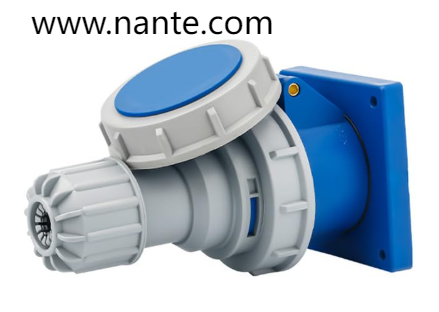
On busy shop floors an Industrial concealed socket can transform how heavy equipment connects to power by keeping live parts out of sight while preserving quick access for service. This hidden style reduces visual clutter and helps technicians work without moving large panels, which supports safer routine checks.
Manufacturers and planners are talking more about resilience and worker safety as systems become more connected. That attention pushes choices toward units that combine a compact profile with durable material so installations resist dust moisture and contact wear in active locations. Selecting gear that matches workflow keeps teams focused on output rather than on repeated repairs.
Space around heavy machines is often at a premium. A recessed unit saves room by tucking connections into walls or machine faces while still allowing fast plug operations. That placement helps line operators route cables neatly and reduces obstruction near moving parts where clearance matters. Operators appreciate layouts that help maintenance go faster and reduce unexpected stops.
Durability matters when environments include airborne grit or persistent handling. Look for enclosures built from sturdy compounds that slow surface damage and that seal against intrusions. When a box resists wear technicians spend less time replacing parts and more time on preventive testing. Choosing a sturdy casing supports longer service intervals and steadier uptime.
Safety features deserve attention beyond a hidden face. Designs that avoid exposed terminals and that include reliable contact guards reduce accidental shocks during checks. Clear labeling and separated chambers help crews distinguish between control feeds and heavy loads so troubleshooting can proceed with lower risk of missteps. Such choices matter in environments with rotating shifts and mixed skill sets.
Serviceability is a practical factor. Modules that allow access without full disassembly speed repairs and lower the time a machine sits idle. When spare parts are available and panels open with common tools, electrician teams complete work with fewer delays. That predictability helps planners schedule tasks without stacking contingency after contingency.
Integration with automation and remote monitoring is becoming more common. Concealed units that accept accessory modules or monitoring probes can feed condition data into a control network so faults show up in dashboards rather than as surprise alarms. That capability helps managers coordinate responses and reduces reliance on ad hoc inspections.
Installation choices affect how an area looks and how safe it feels. Flush mounting gives a tidy appearance and reduces snag points while surface boxes give fast retrofit options. Discuss mounting with installers so the chosen method matches service routes and future changes. Planning placement with technicians pays off when teams need to trace a fault quickly.
Cost considerations go beyond the purchase price. A single reliable module that lowers replacement frequency and that eases maintenance budgets can reduce long term expense. When suppliers offer clear service notes and spare parts options, teams find it easier to keep stock levels manageable and to plan preventive routines.
If your facility uses heavy driven equipment and you want to reduce downtime while improving daily safety practices consider a recessed connection approach that blends concealment with service access. For product examples installation tips and spare part options visit the detailed product page at www.nante.com where you can review layouts and component notes that match industrial settings and support cleaner safer installations for workshops and production lines.

 English
 Arabic
 French
 Spanish
 Portuguese
 Deutsch
 Turkish
 Dutch
Dutch
 Russian
 Romaian
 Portuguese (Brazil)
 Greek
Greek